> ## Documentation Index
> Fetch the complete documentation index at: https://docs.linqalpha.com/llms.txt
> Use this file to discover all available pages before exploring further.
# Quickstart
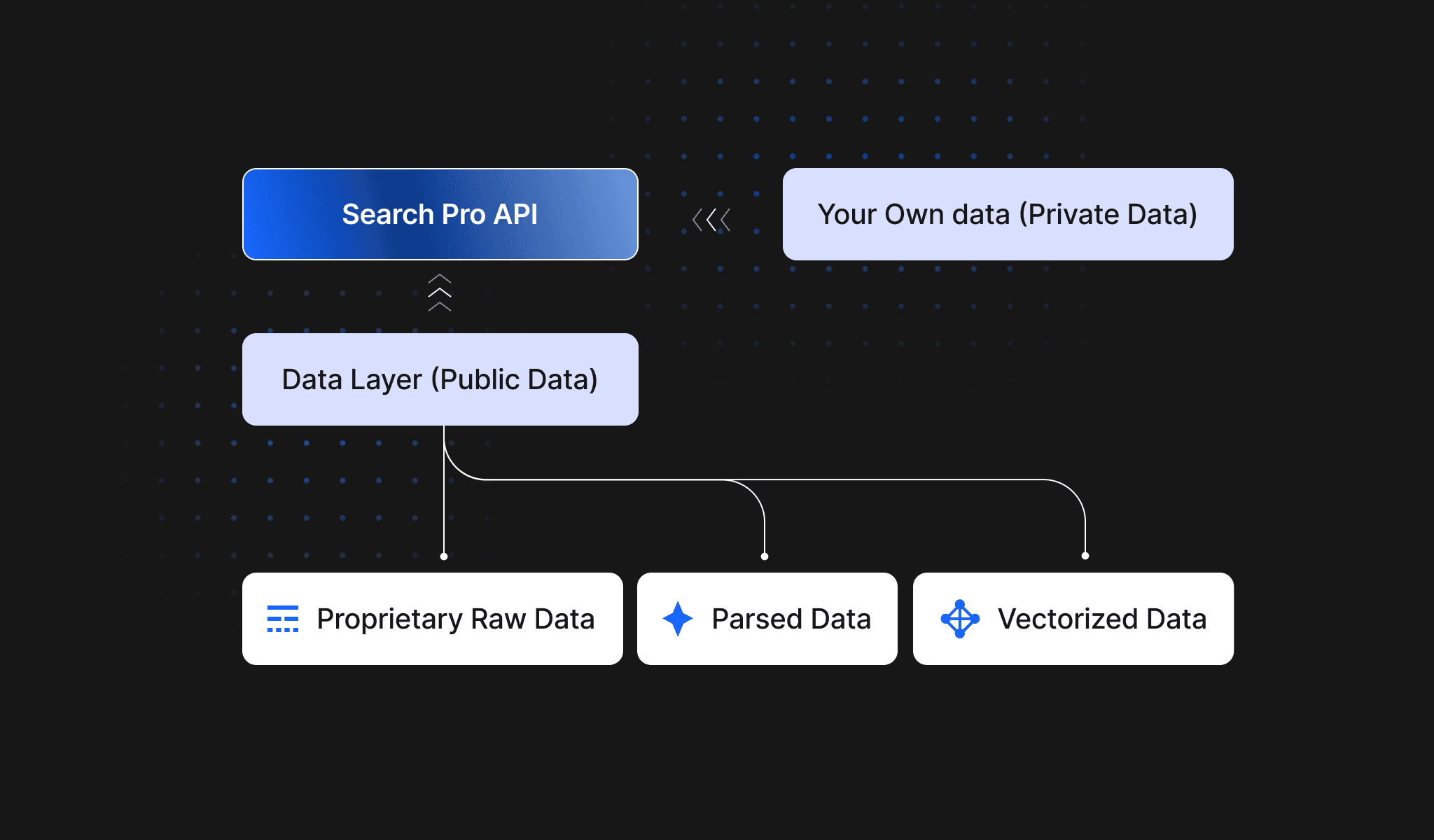 ## Getting Started
Kickstart your integration with the Linq Alpha API by setting up your development environment. Follow our guides to authenticate, send requests, and handle streaming responses (including Server-Sent Events).
Set up your API keys, configure endpoints, and prepare your local environment.
Experiment with endpoints, test your requests, and view live responses.
## Authentication
Linq API uses API key authentication. You must include your API key in the header of every request. For example:
```http theme={null}
X-API-KEY: YOUR_API_KEY
```
## Getting Started
Kickstart your integration with the Linq Alpha API by setting up your development environment. Follow our guides to authenticate, send requests, and handle streaming responses (including Server-Sent Events).
Set up your API keys, configure endpoints, and prepare your local environment.
Experiment with endpoints, test your requests, and view live responses.
## Authentication
Linq API uses API key authentication. You must include your API key in the header of every request. For example:
```http theme={null}
X-API-KEY: YOUR_API_KEY
```